Invasive Non Native Species (INNS)
What are INNS?
Invasive Non Native Species or INNS are species that are not native to the UK, and are outside of the areas where they naturally evolved. They are usually spread by humans and cause an unacceptable amount of damage to the native environment. They lack the natural predators or diseases found in their native environment and can act as vectors for pests and diseases to which they are immune but to which native species are not. As a result they can outcompete native species causing immense damage to habitats and risking the extinction of local species. They can be in the form of terrestrial or waterborne plants, animals, insects or other species such as fish. INNS have been introduced to the UK over many years, often with the best of intentions with many plants being introduced in the 19th and 20th centuries. INNS are still a threat to the UK today with a number of non native species arriving each year.
Many non native species are not invasive and can add to biodiversity, amenity value or commercial interests such as plants grown for food production, however a small number pose a real and present danger to the environment, economy and human health.
Most notable recent INNS include Hymenoscyphus fraxineus, and Vespa velutina. Hymenoscyphus fraxineus is the fungus responsible for Ash Dieback Disease which is leading to the death of great numbers of native ash trees and costing the UK economy in the forms of removal of diseased trees, loss of habitats and damaging commercial interests.
Vespa velutina (Asian Hornets) are a particular risk to native bees and other insects with a coordinated effort being placed on preventing Asian Hornets from becoming established in the UK.
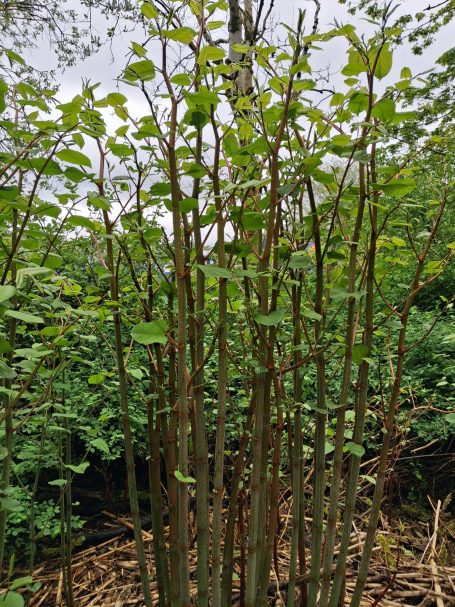
You may be aware of other INNS such as Giant Hogweed, Himalayan Balsam and of course Japanese Knotweed however there are many more species of plants, animals and insects.
Invasive non native plants are listed on S9 of the Wildlife and Countryside Act 1981, it is not illegal to have these plants growing on your land however it is an offence to allow them to spread to the wild and if they spread to a neighbouring property then this may be classed as causing a nuisance and you may be subject to legal action requiring you to control the plants and even pay compensation and legal costs.
Some species have now been listed on The invasive Alien Species (Enforcement & Permitting) Order 2019. This goes a step further than the Wildlife & Countryside Act in that it lists a number of species of “special concern”. When a species is added to this list it makes enforcement a lot easier as it prevents the species from being kept, transported, placed onto the market, bred, used or exchanged, grown or cultivated, or released into the environment.
INNS are classed as controlled waste and must not be disposed of with you normal waste (such as your garden waste bin or taken to the tip), instead they must be removed by a specialist contractor and taken to an authorised disposal site. Always check that the person disposing of your waste holds the relevant authority and obtain a waste transfer note from them otherwise you will be liable for any associated costs.
INNS can cause serious heath problems to humans and cost the UK economy an estimated £2 billion a year!
Not all problem species are classed as INNS, for example Equisetum arvense (commonly known as Field Horsetail, Horsetail or Marestail), Ragwort or Buddleia
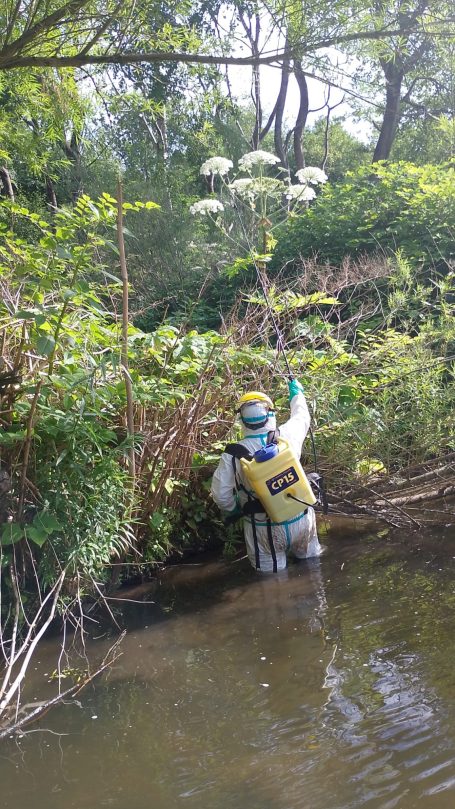
Here is the good news, our experts have years of experience tackling invasive weeds. We survey the area, then produce a comprehensive treatment plan, obtain any approvals that might be required (such as Environment Agency if we are treating a river bank). We then treat your weeds, this will be done when treatment will be most effective. Finally we will give you a report outlining what we have done, what chemicals have been used, how much etc. It will also tell you what the next steps are. This could be further treatment by us in subsequent years for species such as Japanese Knotweed, restocking or replanting to prevent reinfestation, or just monitoring (again something that we offer as part of our service).