Giant Hogweed
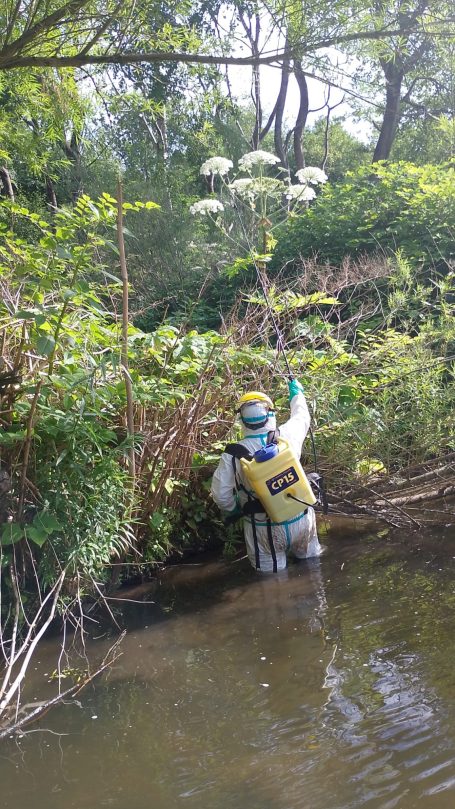
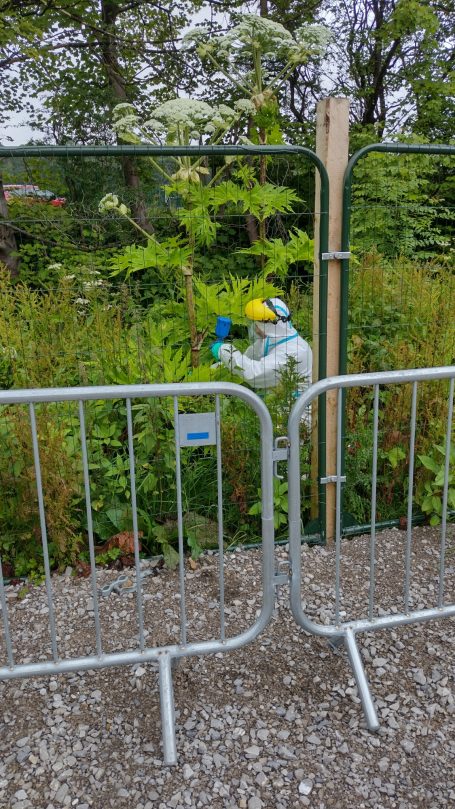
Giant Hogweed is a non native invasive species, it is listed on the Invasive Alien Species (Enforcement & Permitting) Order 2019. Giant Hogweed is also a public heath hazard. All parts of the plant can cause a reaction resulting in burns to skin, which can be severe and take several years to heal, with some instances of reoccurrence in the individual for life. This can also affect animals such as dogs and farmed livestock. Animals with darker skin and or more hair e.g. sheep are less susceptible to the effects of Giant Hogweed and can even be used to control it in some circumstances. The burns caused are due to the toxins found in the sap and present within all parts of the plant, this reacts with sunlight. Contact with the plant and sap is painless upon initial contact, which can mean it is too late by the time an individual realises they have been in contact with the plant or its sap.
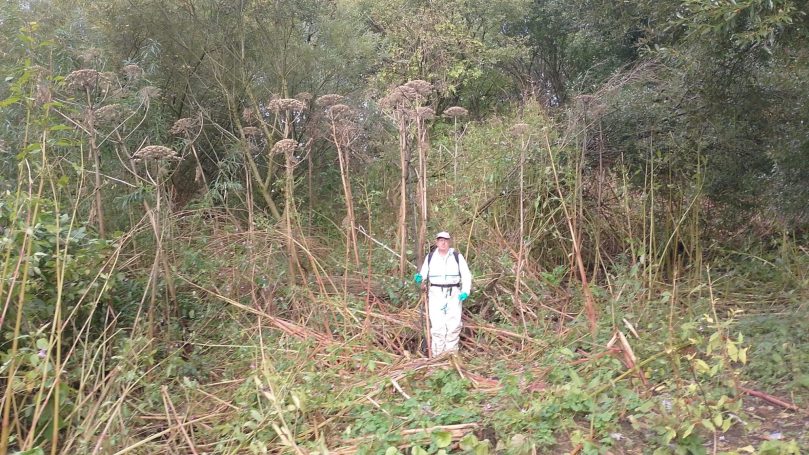
The plant grows up to 5 meters in height, and is a biennial. It will grow in the first season and die back overwintering in the ground between the 2nd and 5th season the plant will set seed although this can occur in the first season if the plant is cut early in the season. The plant can produce 30,000 – 50,000 seeds per umbel. Seeds can remain viable in the soil for up to 5 years however the majority of seeds will germinate within the first 2 years. The seeds are spread by the wind, humans or animals and can float in water, being carried downstream where they can settle on banks quickly establishing new stands. Seeds spread by the wind will typically be with 4m of the seeing plant but can be up to 10m away.
The plant outcompetes all other species and the stems can impede water flow during times of flood. When the plant dies back in winter this leaves areas of ground bare of vegetation making them susceptible to erosion and landslips which can enter the river system causing silting issues further downstream.
If you have this plant on your land act NOW! Due to the hazards associated with this plant we would not recommend treating it yourself. Call us and we can produce a control plan and help you eradicate this dangerous plant before it spreads.
If you see this plant do not touch it, keep dogs on leads, inform the land owner, local council or the Environment Agency.